December 2nd marked the first official day of the Hacker Exchange 1.8 program, an intensive two-week innovation program that would help curate a startup idea and inject it with the potential to become a global startup by providing the opportunity to pitch to venture capitals at the conclusion of this program. Arriving at Silicon Valley, our group of 30 young entrepreneurs were introduced to the founders and coordinators of this program, each with multiple of their own successful businesses, this first encounter was already an inspiring and motivating experience and I was extremely excited for the two weeks to come.
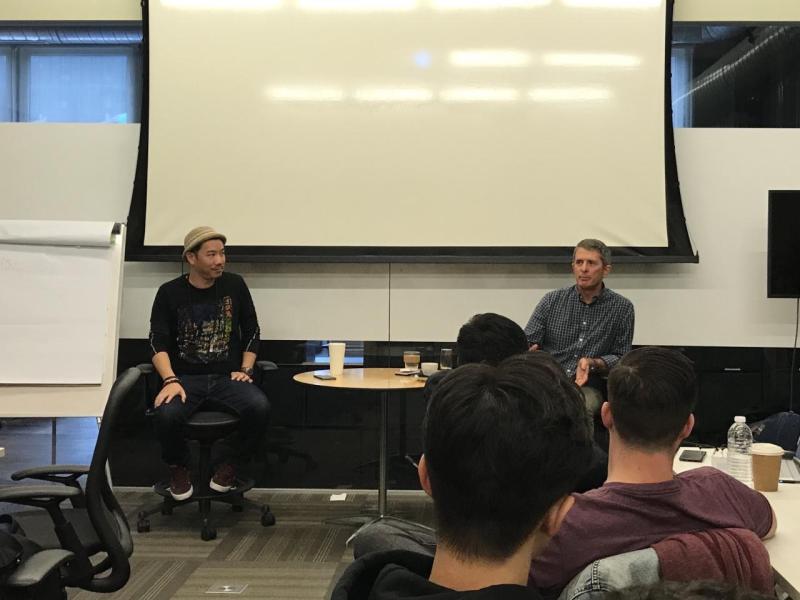
We received an introduction to the Silicon Valley from Bevis Cheng, the co-founder and CEO of the Hacker Exchange program. This introduction included insight to the history of the Silicon Valley, the current status of the startup ecosystem and Bevis’s own experience integrating into the intimidating market in the Bay Area. From this workshop, I was able to understand the ways to become successful in this industry, all widely related to the spirit of collaboration and cooperation amongst entrepreneurs in the area and having both density and diversity of people culturally and technically.
Going into this program, my startup idea had been varying between a zero-emission transport platform and converting vans into homes to create affordable housing options. Even with my minimal entrepreneurial knowledge, I knew both ideas had many kinks to be ironed out. How do I make money from this idea? What problem am I really trying to target? How do I persuade investors to take a chance on this idea?
We gathered into smaller groups to present our startup ideas and receive feedback with our mentor, Jac. Through bouncing around ideas and feedback amongst the group, the point that Jac kept reminding us was to identify a problem you’re passionate about. Thinking about this point and through having conversations with the other women in STEM on this program lead me to a new startup idea: to build a platform that effectively connect the girls in STEM with the opportunities available to them.
Changing to this idea made me a lot more confident in how my next two weeks would be shaped, and I instantly had a better vision for a potential final product. Although, this startup is still in its early stages of ideation, I’m really excited about my idea. Throughout the next few days, I am hoping to be able to validate the problem I’m trying to solve through intensive research and create a business plan or model of how to create revenue.

 The Hacker Exchange 1.8