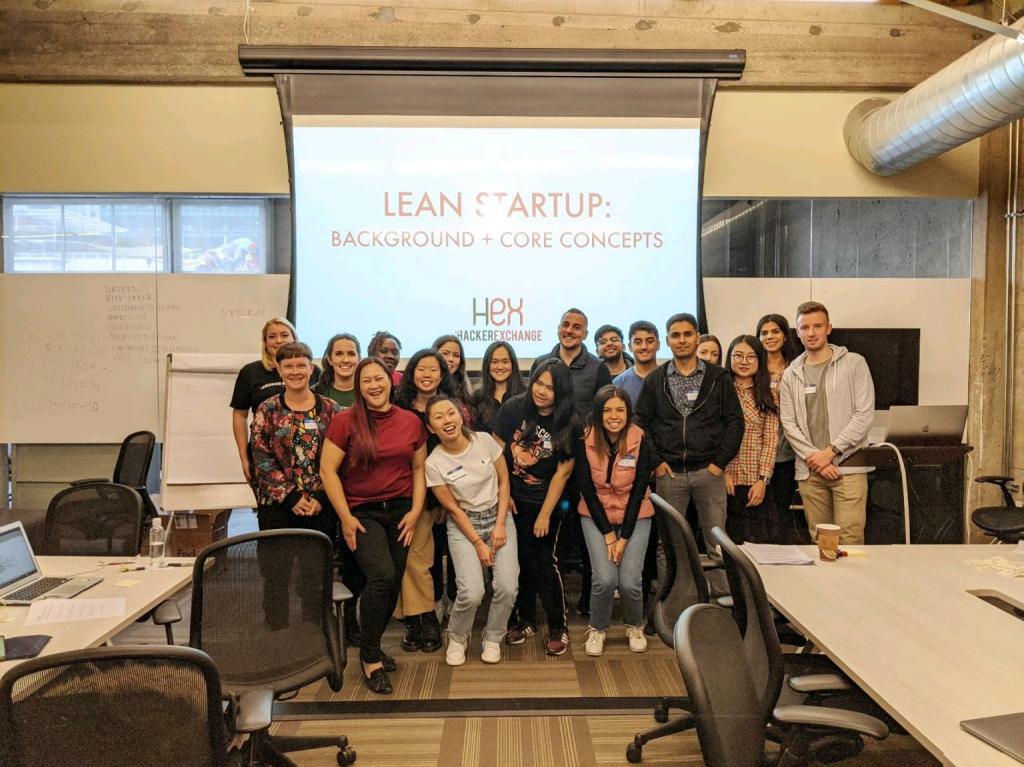
From the rest of the week, we received a range of workshops and sessions to continue learning about how to further develop our businesses. Our first talk was with Ryan MacCarrigan, a lean startup coach, who was able to delve further into the core principles to a successful startup. Most of the principles to seemed quite intuitive, however thinking about the actual application showed me some other factors that need to be considered. The main teachings from this workshop for me was how to create a business model. A business model was explained to be a rationale of how to create, capture and deliver value. Through creating the business model, this encouraged me as the founder to consider the customer, revenue and partnerships for the business.
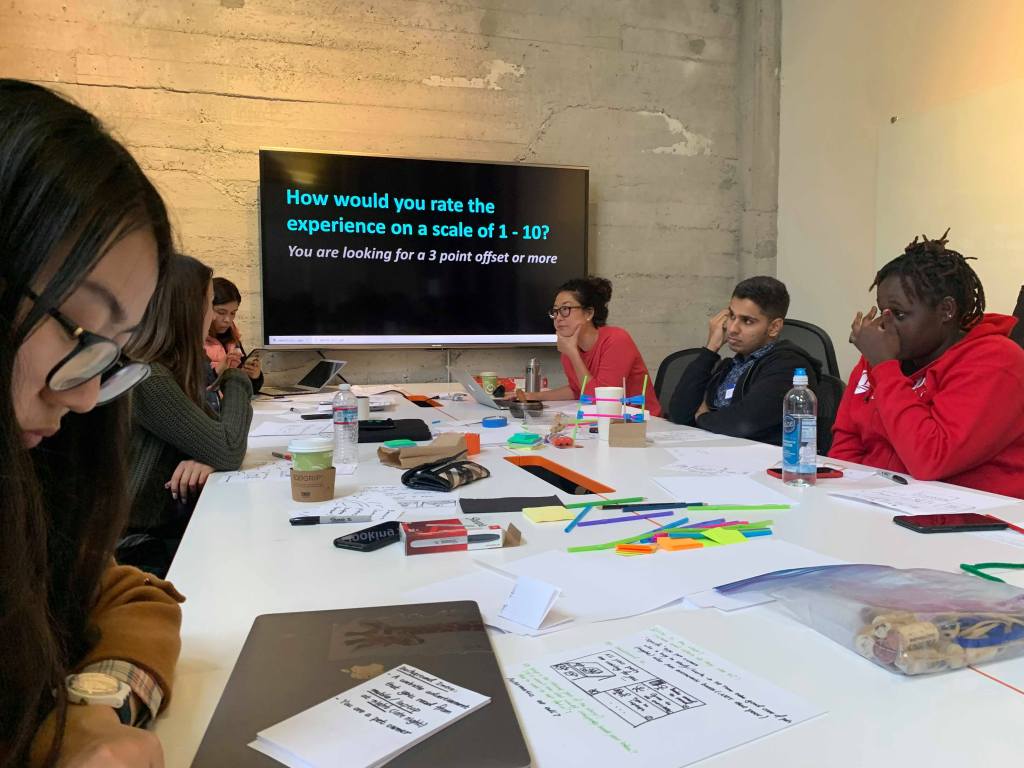
Another extremely engaging workshop was the rapid prototyping workshop presented by Eun-Joung Lee. In this workshop, we went through different methods for product realisation and were instructed to create a rapid prototype of our startup. To being with, I was perplexed as to how to create a website or online platform only using pen and paper. After seeing an example of how Eun-Joung implemented user testing, it became clear to me how useful rapid prototyping and the user testing process can be. Through this workshop, I was forced to really think about how I wanted to physically execute my idea. I created a prototype of my platform as a mobile app with bits of paper and simulated the platform the user will engage with. When given to other people to test, it was extremely easy to identify any problems or points of confusion and when the user got stuck and easy to pause the test to fix the problem.
We were also able to receive a workshop from Matthew Kwong, one of the coordinators of our program, a former participant of the Hacker exchange and who is currently involved with 6 different businesses. This workshop taught us about market research in order to get our ideas validated. Considering my purely technical background, the information provided through this workshop was extremely engaging and informing. This taught me that to optimise the success for a startup, it is especially important to understand the market you are targeting before forming your product and allowing the freedom to pivot in between. If you need to explain to your target market the problem you’re trying to solve, you’re already 3 steps behind. To validate your idea, this is done through market research. Research strategies include primary and secondary research, where primary research consists of surveying, interviewing and extracting information directly from your customer and secondary research consists of analysing existing research.
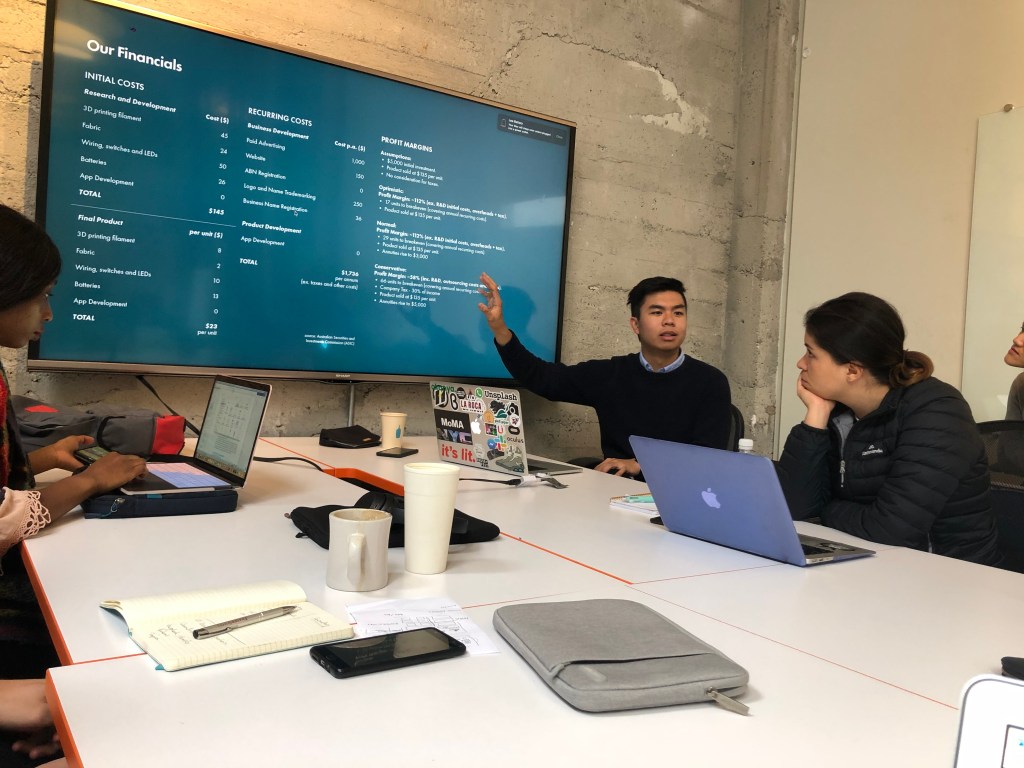
To keep developing my startup, I will need to complete the primary and secondary research to be able to validate my idea. Going through the prototyping workshop was important for me to reinforce my idea and was able to give me more confidence and inspiration. Additionally, I was able to draft a business model canvas for my problem and draft a pitch deck however I hope to continue working on these comprehensively. From here, I would like to create a formal prototype for my design to be able to add to my pitch deck and I look forward for the hectic next week to come.
 The Hacker Exchange 1.8