Final thoughts on the Hacker Exchange

My experience with the Hacker Exchange is full of contradictions. The two weeks I spent in San Francisco were both engaging and extremely exhausting, the longest two weeks and the shortest two weeks of my life, the most exciting and most stressful conditions I have ever been in. This program has tested me in so many different ways. From working for 10 hours a day, trying to fit in networking events, socialising with peers and also be mindful of our mental health, each day felt extremely trying and also rewarding as everyday I learnt so much more. We were put in a position where we were able to experience such unique things, including being able to speak to CEOs of successful and inspiring startups, to fellow Australians who broke through in the Silicon Valley, to employees of tech giants such as Google and so much more.

To those considering the Hacker Exchange, this program presents you with all the opportunity in the world if you are interested in the tech and startup industries, and it probably still presents an abundance of opportunities even if you are not. However, you need to be self-motivated enough to take full advantage of all those opportunities as time flies by during those two weeks. To have taken advantage of these opportunities, I think it would be very helpful and important to have prepared your startup beforehand, looked into the people you want to meet or contact, researched any networking events going on in the area before touching down in San Francisco. Although I did not do most these things, I still feel I made the most out of the preparation I was able to do.
Processed with VSCO with c1 preset

I am extremely grateful that I was able to meet so many likeminded people who all had a passion and wanted to realise this passion. I was able to learn from so many people on this program, from mentors, to guest speakers and especially my peers. I was able to learn from people who possess such a strong work ethic, from people who have such persistence to be able to break through in the startup ecosystem, from people who believe so strongly in their mission, from people who had so many creative ideas… I am confident I will take every experience and lesson learnt through the Hacker Exchange to help me continue through the rest of my university years, starting my career and beyond.

 

What did I take away from this experience?

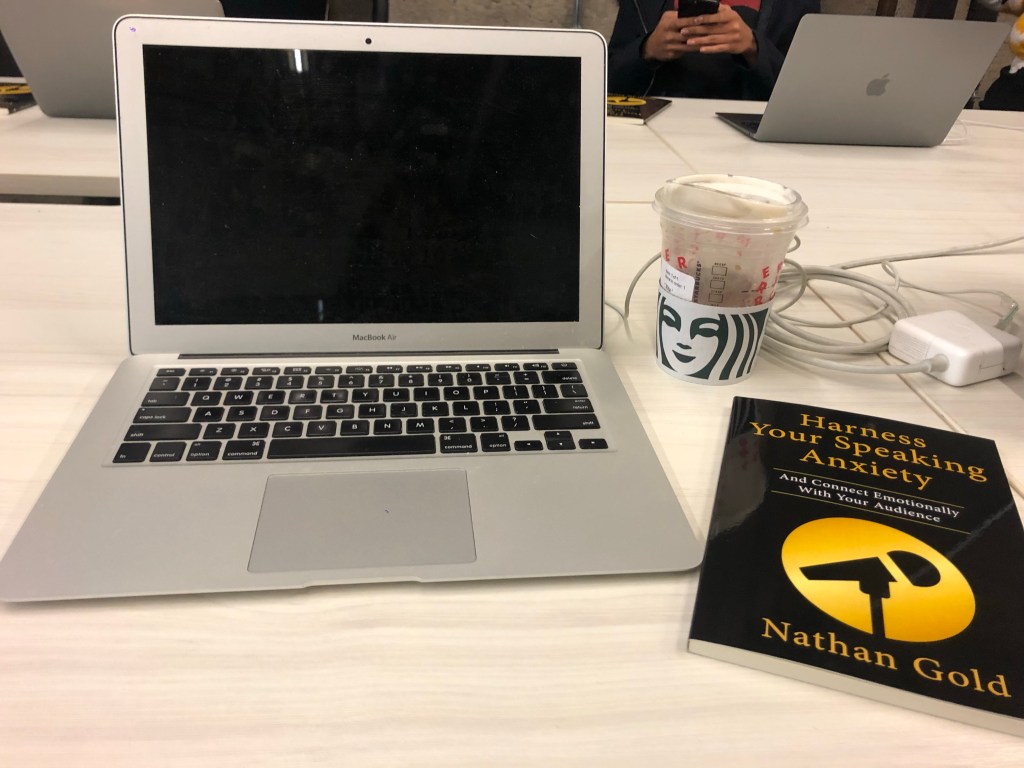
A huge motivation for applying for an entrepreneurship course was the opportunity for me to learn how to present myself confidently as well as being able to work on my public speaking. Being coached by Nathan Gold, one on one and also through his workshop, was really helpful. He helped me realise my weakness of not engaging or trying to connect with an audience enough, through delivery and also content. Nathan suggested that I take a much more personal approach especially for my pitch as I am extremely suitable and familiarised enough to talk about this topic. Through practicing with peers, I discovered that talking about a project that I am really passionate about and talking to an engaged audience were two extremely important things for me to be comfortable and present well. I felt that I was able to take what I learnt through this and apply it to my final pitch. Although I did not place in the final pitches, pitching and receiving feedback were very rewarding.

Another really big lesson I learnt from this program is the important of networking. Throughout the program, we were encouraged to “hustle” on the side of working on our startup and attending the workshops – it isn’t every day that we are in San Francisco. This hustle refers to reaching out to people you are interested in meeting, whether in person at an event or online on LinkedIn. Especially in the startup ecosystem, this is the easiest way to succeed there can only be a limited degree of separation. If you try hard enough, you can reach out to people and soon enough someone you know knows someone who knows someone who knows Elon Musk.

Watching one of my peers on the Hacker Exchange take advantage of this opportunity and go as far to receive a job offer from a company she really wanted to work at was really motivating and inspiring and encouraged me to seek out my opportunities. I had the opportunity to attend a panel and networking event for women in the space industry which aligns with all of my interests. At this event, I was able to make many valuable connections from talking to CEOs of successful satellite startups, to talking to other aspiring female engineers in the space industry. This experience, and hearing other people gain so much from networking, really motivates me to continue this mindset of hustling and not being to afraid to reach out to ask someone for a chat. From what I learnt about networking from this experience, everyone is willing to help, but if you don’t ask no one will magically present you with opportunities. 

It’s the final countdown(pitch)!

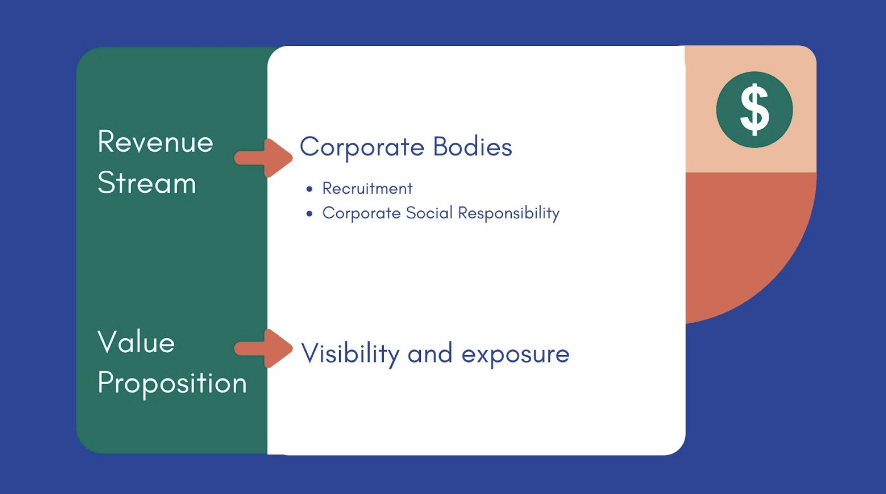
Leading up to the pitch, there were many factors to a startup that I had to think about and apply to my own business. Most importantly, I had to think about a revenue stream. For my platform, I wanted to find ways to establish my startup as a social enterprise which would require a revenue stream. The main revenue stream for gather is through corporate bodies, mainly through recruitment by job posting via gather and also corporate social responsibility. For these corporate bodies to be able to provide me with a revenue stream it is important for my startup to be able to equally present value to them. The value proposition that gather is able to guarantee is visibility to young talented girls in interested in STEM. 

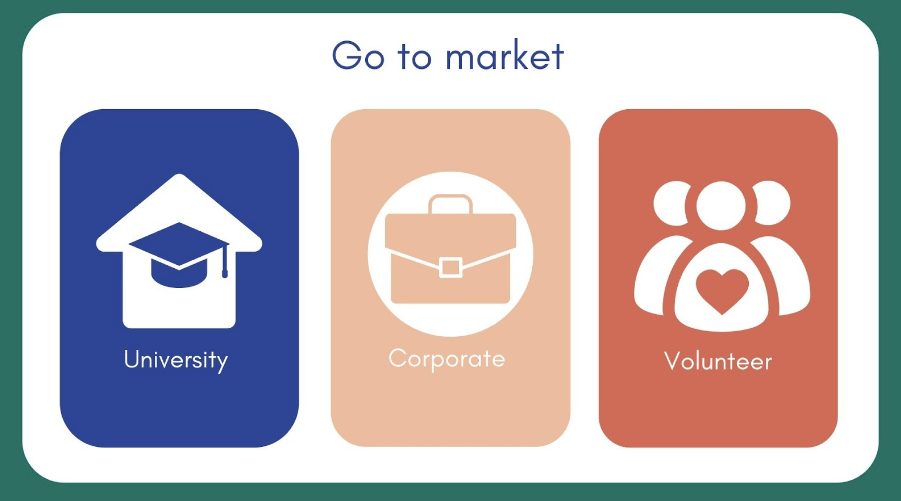
I was also encouraged to investigate a go to market strategy. This component is not only an essential part to a successful startup, but it also helps convey for my pitch that I have really thought about the future and longevity of my startup. The first phase of implementation is to start within a university community by putting together opportunities from different clubs, faculties and university sanctioned events or scholarships, so the starting market will be female university students in a STEM field. Then, to reach out to corporate sponsors, where this will be our main form of revenue by offering visibility to students in STEM and we can add any of their opportunities or events to our platform. Finally, we will expand to volunteer programs and be able to cater to local schools and our market grows significantly by adding primary to high school students and then this implementation will be scaled. 

The last part of the pitch was for our ask towards the panel. I learnt that this ask does not have to stick to the traditional ask of funding from investors. As my startup is intended to be a social enterprise, this would be very difficult to pitch. Instead, I decided to ask for initial startup costs but more importantly for connections to potential sponsors, mentorship and guidance to continue to build my business. 

The process of preparing for the pitch has been the most pivotal part in developing my startup it really made me think about things that I would not have considered even from all the workshops, to be able to present a complete pitch. Preparing for the potential questions that would be asked and practicing with my peers then being questioned also allowed me to fill in any gaps in my knowledge or research I had not yet covered and raised any problems about the startup that I was not aware of.

What is my startup?

When I started this journey with Hacker Exchange, despite my enthusiasm for this course I had minimal idea of what I wanted to spend my two weeks, day and night, working on. There were so many ideas I would have been excited to work on. I had tossed up looking into ways to incorporate renewable energy into a startup,  ways to improve youth employability, solutions to manage the abundance of homelessness in the Bay Area… In the end, I was deciding between two ideas, renovating vans as an alternative to low income housing and building a platform that that bridges the gap between girls in STEM and the numerous female-oriented initiatives. The reason why I chose the latter was mainly because upon preliminary research, it was clear that there was already a lot in the market for renovating vans and at the same time it was not a clear solution to the problem I was looking to solve. Additionally, the latter idea was something much more personal to myself and I knew I would have no trouble diving into this start up. 

As a university student studying engineering, who is actively involved in university activities, extracurriculars and has a support network of other fantastic women in STEM, great opportunities still manage to slip my radar. I could not imagine what this would be like for those who do not have that network and how disconnected they must be to all their opportunities. This is why I founded gather, a platform that effectively connects young women involved or interested in STEM with their opportunities and resources.   

At its peak, 74% of middle school girls express an interest in STEM. This interest drops in high school and 35% of women make up the cohort in STEM fields at a collegiate level. This number drops again upon graduation and it is only 22% women in the STEM workforce. To combat this decline, many organisations have formed women-oriented STEM programs. From my market research, I was able to find that out of over ten women-oriented outreach programs in Canberra, my target market could could only recognise two of these programs. The problem that gather aims to solve is to bridge this disconnect. 

Gather is a centralised website for opportunities dedicated to girls in STEM, it acts as a single contact point that provides information and allows you to apply for opportunities including bootcamps, courses, programs, scholarships, conferences, events, job opportunities and volunteer opportunities. To tailor to my market, the platform uses more attractive channels, language, advertisements and is easy and efficient to use. All you have to do is input your age, area of interest and area then you can find all the opportunities picked out for you. I am extremely proud and confident in this startup. Through working on this start up, doing my market research, interviewing other females in STEM, I believe that this platform has the potential to become such an essential and useful tool for many young women everywhere. 

Preparing, pitching and prototyping

To guide us for our pitch at the end of the Hacker Exchange, we received a comprehensive pitch workshop from Nathan Gold. Nathan is a speech coach specialising in pitching as well as having experience working on TedTalks. Throughout this workshop, we were taught how to capture our audience, how to effectively deal with our nerves and how to answer questions. Nathan instructed us on 6 signals to convey to the audience to capture their attention. Firstly, tell the audience you will not waste your time, then convey that you know who your audience is, convey that you’re well organised, convey that you know you subject, highlight a single important point in your whole pitch and clearly convey when your are finished.  

The magic framework that Nathan suggested for our pitch was to start with a hook; this can be a question, an astounding statistic, or using a simile, analogy or metaphor. This is then followed by Proof A; which answers the question of why and what is the identified problem. Then Proof B answering the question of how; how your product is a solution to the problem presented in Proof A. Then Proof C answering the question of what: what are the results of your solution, this is supported by your market validation, market research and finally you finish with the ask from the panel. Additionally, throughout your speech you want to establish credibility, by showing expertise and specialisation, trustworthiness, helpfulness and enthusiasm.  

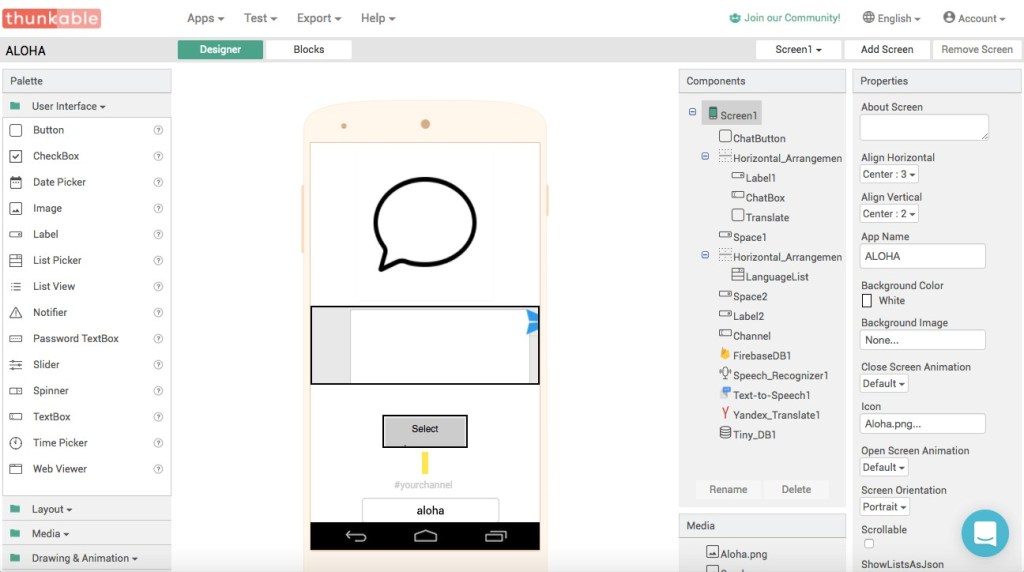
Another extremely useful tool for my start up was learning how to prototype for our business. During the second week, we visited the Thunkable office for a rapid prototyping workshop. Thunkable is a platform that helps make building apps easier. They were initially an app building platform that found that their platform was most used by non-technical users so pivoted to focus on helping non-technical users easily build an app for their startup.  Through this workshop, it was extremely useful to help run through how a user interface needs to be designed in order to be user friendly. 

To create my prototype, what I found really helpful was a workshop from Matthew Kwong on UI/UX design. Instead of writing the code for an app or a website, Matthew showed us how to use a UI/UX design application that allows you to design the appearance and logic of your application or website. My startup as is a centralised platform similar to a job search platform. I found that this kind of platform is mostly used on a desktop rather than as a mobile app. So I designed how I wanted my website to look like using Figma. Creating this prototype was a great way for me to clarify and develop my ideas for the startup. Through building the prototype this was really making me think about exactly my target audience, by clarifying what the colour scheme and theme of my website should be, the exact services provided etc. Both pitching and prototyping are essential

I found the workshops focused on pitching and prototyping extremely valuable. Not only were these extremely helpful for our final pitches for the course, pitching is also an essential part to piloting your start up as well as prototyping being a major part of building an optimised final product.

Site-seeing in Silicon Valley

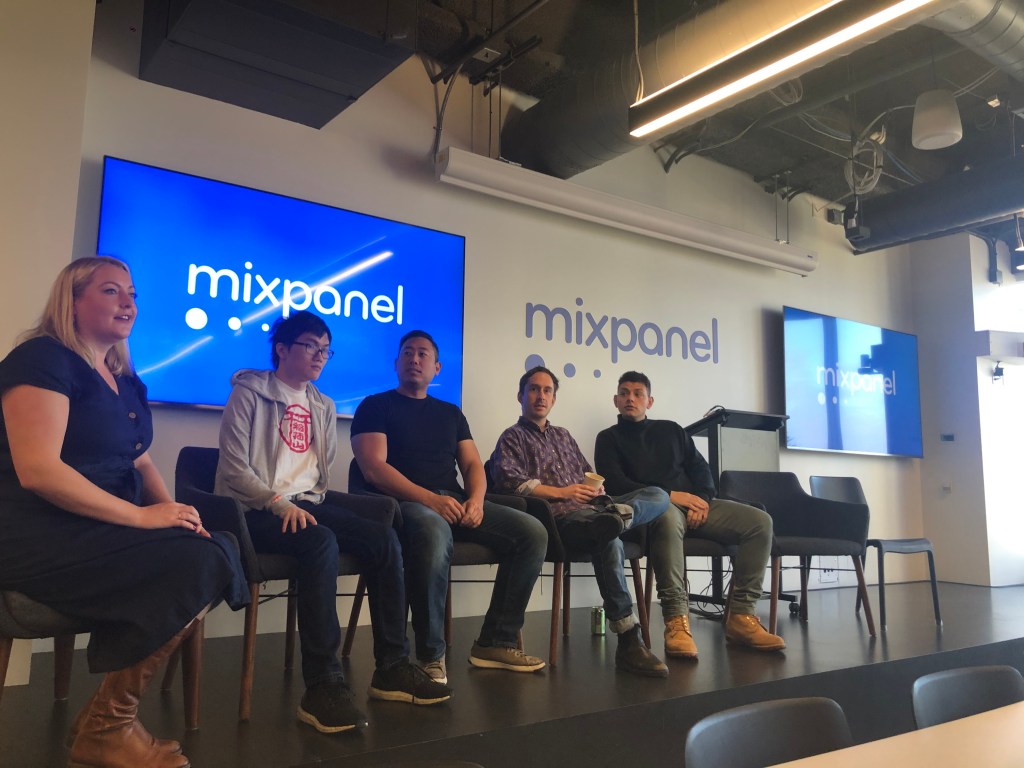
During the course of the first week and a half, the Hacker Exchange cohort had the fortune of visiting tech companies in the heart of the technology capital of the world. This part of this program was most anticipated by most of the group. The first company visited was called Mixpanel. Mixpanel is a software company that specialises in business analytics and is valued at over $800 million today. At the Mixpanel office, we were greeted by a panel of Mixpanel employees. The different areas covered on the panel included design, software engineering, recruitment, technical writing, marketing and sales. The panel also included a few Australians who had made their journey to the Silicon Valley. The tour of the Mixpanel office and panel provided insight on Mixpanel’s company culture and the diversity of its employees, in term of gender, culture and technical backgrounds. 

The next company visited was Zendesk. Zendesk is a software company that monopolises the customer service software industry. Through touring this office, we were walked through the history of the company, that started between two danish men and has grown significantly since its first angel investment in 2008. A facet of this company that really stood out from the typical large tech companies was its social responsibility values. The current Zendesk building was moved from the financial district to a much less affluent area. This was in attempt to encourage other large tech companies into the area to reduce the wealth disparity in different areas around San Francisco.  

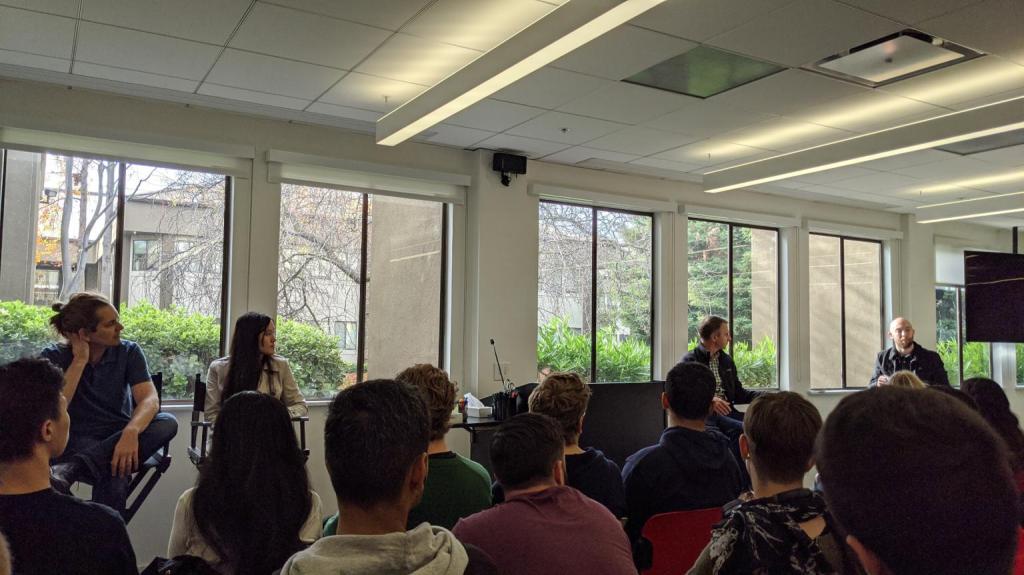
The final tech company visited, that doesn’t need any introduction, was Google. Our group was given a tour of the Googleplex campus by Devin Mancuso, a fellow Australian, working as a UI/UX designer at Google. We were able to observe the Google employee perks including being provided lunch. A commonality with all these companies was to provide as many perks to their employees as possible. Then we interviewed a panel of Australians working at Google who detailed their journey from Australia, to the US and how they ultimately landed in the Bay Area.

Although these visits were extremely interesting, there was a slight disconnect from the things being taught through the program and our visits to these companies. We mostly receive brief overview of the office or campus and also got to see the difference in company culture between tech companies and the traditional companies that we know or have worked at. These tours did show that even for a company at the level of Google, each unicorn starts from ideation and as a startup.

Another site-visit was to Berkeley Skedeck at the University of California, Berkeley. Berkeley Skydeck is an innovation program through the university that invests in startups to provide them will support, funding and office space until they reach a seed funding round. One of the more known startups to have gone through this program is Lime, the electric scooter platform. Another company in the Berkeley Skydeck program is Humm. The CEO and co-founder of Humm, another Australian, Iain Cameron McIntyre showed us his product and startup. Humm is a device that is placed on your forehead and changes the electric activity in your brain for a short amount of time. This enhances your memory and focus by a significant amount for around 48 hours after.

Seeing this startup, the level of technology and the tangible impact of this technology was really inspiring and aligned really well with my personal career interests. In addition to Humm, the Berkeley Skydeck program boasted a huge portfolio of deep tech and biotech startups that had extremely impressive technology. These visits encouraged me to look further into smaller tech companies for what I am interested within the Silicon Valley ecosystem.

Ingredients for a Startup

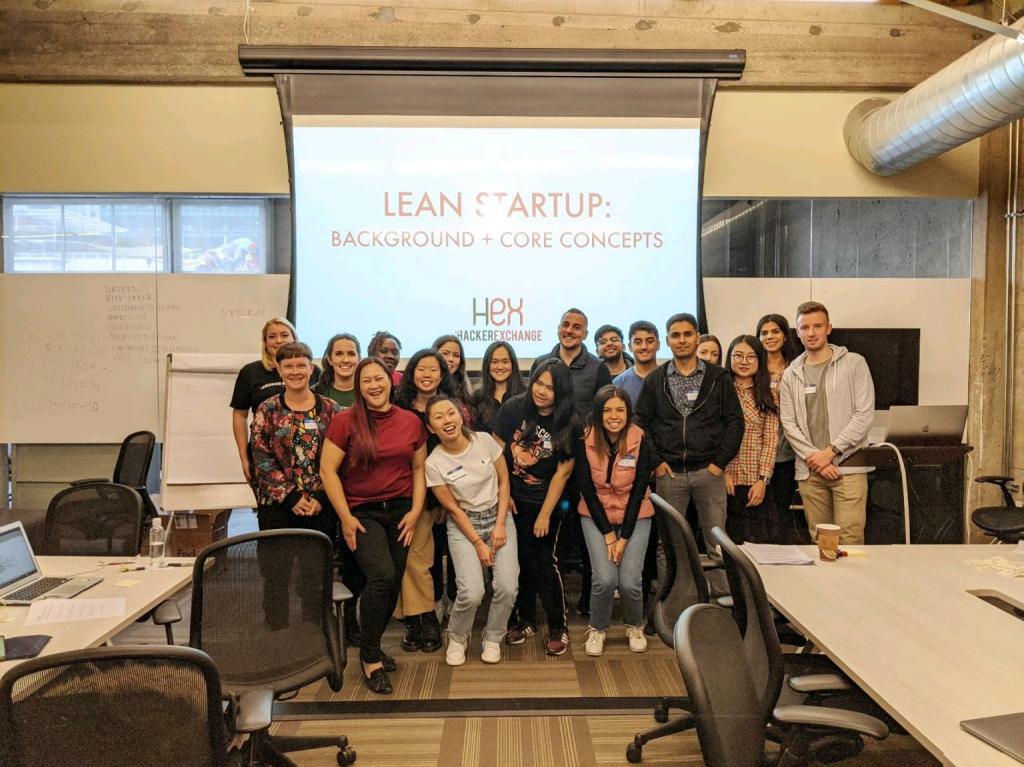
From the rest of the week, we received a range of workshops and sessions to continue learning about how to further develop our businesses. Our first talk was with Ryan MacCarrigan, a lean startup coach, who was able to delve further into the core principles to a successful startup. Most of the principles to seemed quite intuitive, however thinking about the actual application showed me some other factors that need to be considered. The main teachings from this workshop for me was how to create a business model. A business model was explained to be a rationale of how to create, capture and deliver value. Through creating the business model, this encouraged me as the founder to consider the customer, revenue and partnerships for the business.  

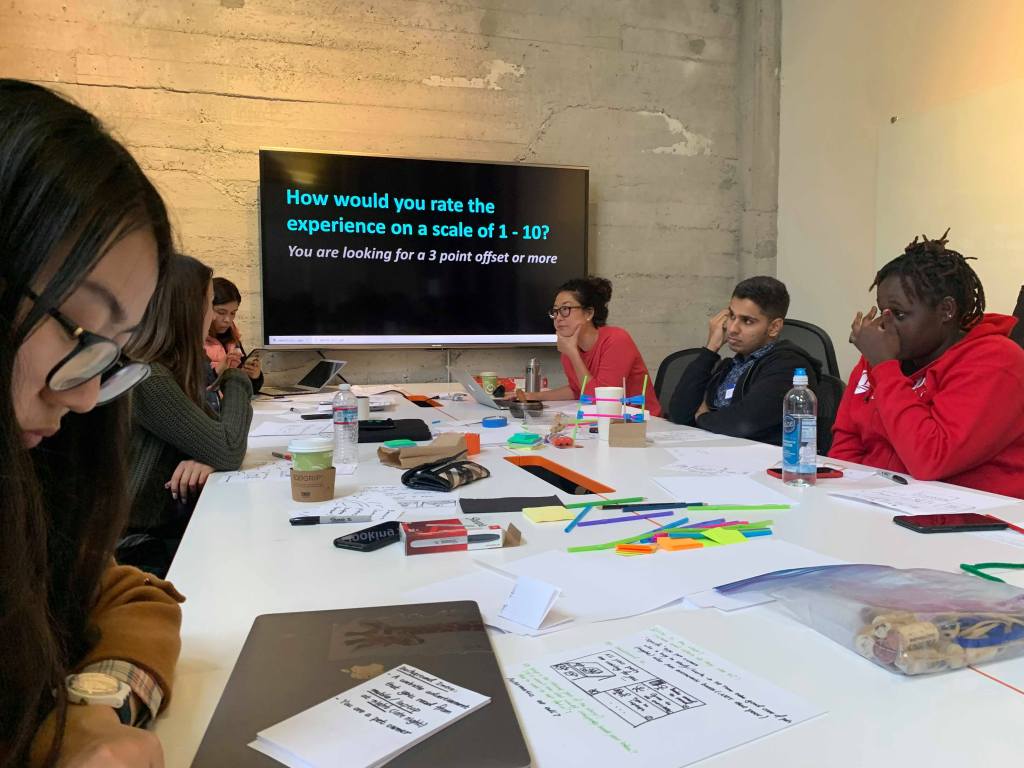
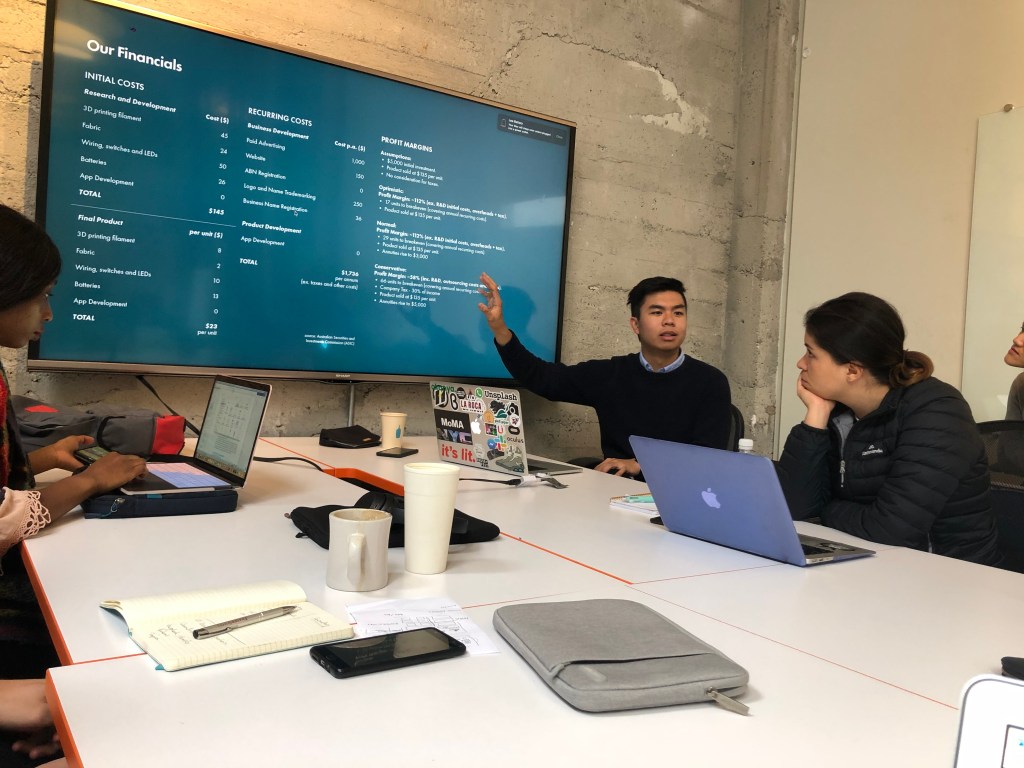
Another extremely engaging workshop was the rapid prototyping workshop presented by Eun-Joung Lee. In this workshop, we went through different methods for product realisation and were instructed to create a rapid prototype of our startup. To being with, I was perplexed as to how to create a website or online platform only using pen and paper. After seeing an example of how Eun-Joung implemented user testing, it became clear to me how useful rapid prototyping and the user testing process can be. Through this workshop, I was forced to really think about how I wanted to physically execute my idea. I created a prototype of my platform as a mobile app with bits of paper and simulated the platform the user will engage with. When given to other people to test, it was extremely easy to identify any problems or points of confusion and when the user got stuck and easy to pause the test to fix the problem.

We were also able to receive a workshop from Matthew Kwong, one of the coordinators of our program, a former participant of the Hacker exchange and who is currently involved with 6 different businesses. This workshop taught us about market research in order to get our ideas validated. Considering my purely technical background, the information provided through this workshop was extremely engaging and informing. This taught me that to optimise the success for a startup, it is especially important to understand the market you are targeting before forming your product and allowing the freedom to pivot in between. If you need to explain to your target market the problem you’re trying to solve, you’re already 3 steps behind. To validate your idea, this is done through market research. Research strategies include primary and secondary research, where primary research consists of surveying, interviewing and extracting information directly from your customer and secondary research consists of analysing existing research.  

To keep developing my startup, I will need to complete the primary and secondary research to be able to validate my idea. Going through the prototyping workshop was important for me to reinforce my idea and was able to give me more confidence and inspiration. Additionally, I was able to draft a business model canvas for my problem and draft a pitch deck however I hope to continue working on these comprehensively. From here, I would like to create a formal prototype for my design to be able to add to my pitch deck and I look forward for the hectic next week to come.

Arriving to the Valley

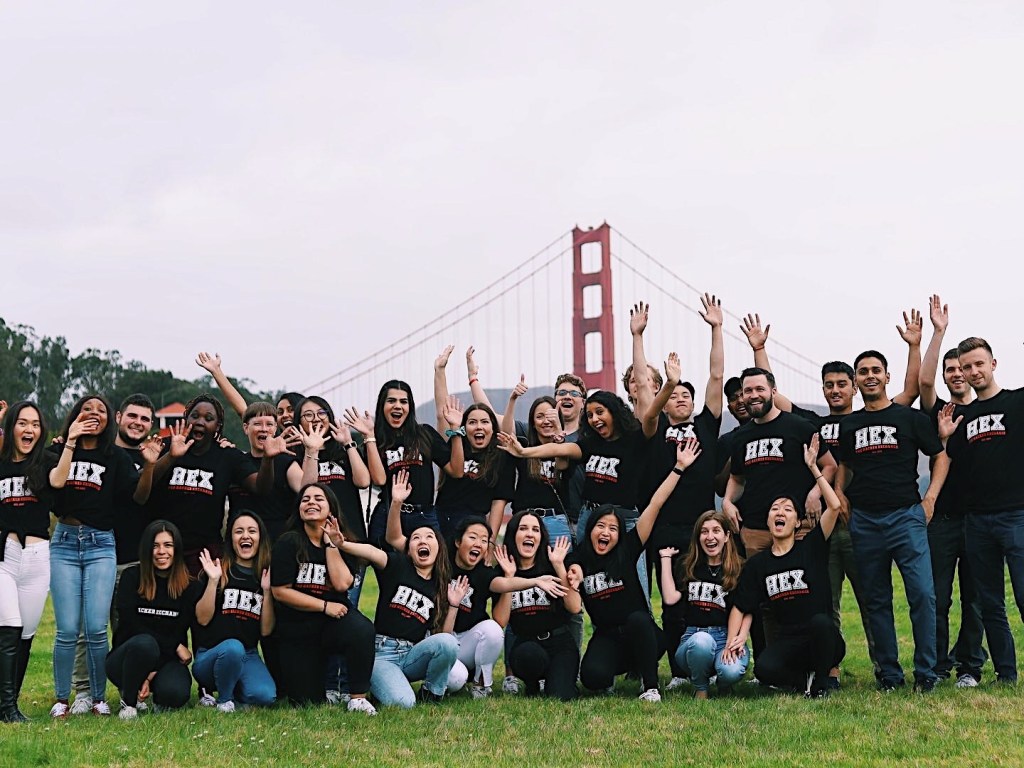
December 2nd marked the first official day of the Hacker Exchange 1.8 program, an intensive two-week innovation program that would help curate a startup idea and inject it with the potential to become a global startup by providing the opportunity to pitch to venture capitals at the conclusion of this program. Arriving at Silicon Valley, our group of 30 young entrepreneurs were introduced to the founders and coordinators of this program, each with multiple of their own successful businesses, this first encounter was already an inspiring and motivating experience and I was extremely excited for the two weeks to come. 

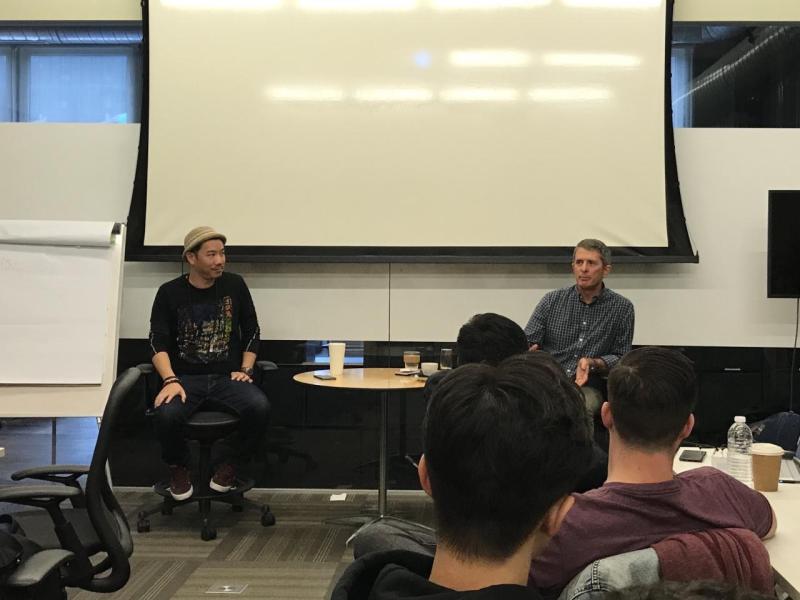
We received an introduction to the Silicon Valley from Bevis Cheng, the co-founder and CEO of the Hacker Exchange program. This introduction included insight to the history of the Silicon Valley, the current status of the startup ecosystem and Bevis’s own experience integrating into the intimidating market in the Bay Area. From this workshop, I was able to understand the ways to become successful in this industry, all widely related to the spirit of collaboration and cooperation amongst entrepreneurs in the area and having both density and diversity of people culturally and technically. 

Going into this program, my startup idea had been varying between a zero-emission transport platform and converting vans into homes to create affordable housing options. Even with my minimal entrepreneurial knowledge, I knew both ideas had many kinks to be ironed out. How do I make money from this idea? What problem am I really trying to target? How do I persuade investors to take a chance on this idea? 

We gathered into smaller groups to present our startup ideas and receive feedback with our mentor, Jac. Through bouncing around ideas and feedback amongst the group, the point that Jac kept reminding us was to identify a problem you’re passionate about. Thinking about this point and through having conversations with the other women in STEM on this program lead me to a new startup idea: to build a platform that effectively connect the girls in STEM with the opportunities available to them. 

Changing to this idea made me a lot more confident in how my next two weeks would be shaped, and I instantly had a better vision for a potential final product. Although, this startup is still in its early stages of ideation, I’m really excited about my idea. Throughout the next few days, I am hoping to be able to validate the problem I’m trying to solve through intensive research and create a business plan or model of how to create revenue. 

Design a site like this with WordPress.com
Get started